




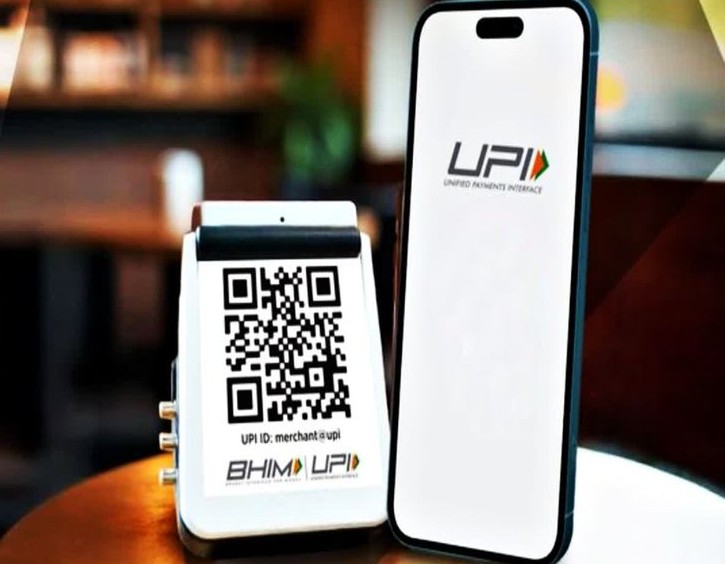
For six years, India’s Unified Payments Interface (UPI) stood out in modern finance. It offered a payment rail that was free for everyone involved.
That changes on October 15, 2026. A new Merchant Discount Rate framework will introduce fees for certain UPI transactions.
The change follows a Ministry of Finance Gazette notification and an NPCI policy announcement. Under the revised framework, a baseline processing fee of 0.4% will apply to select person-to-merchant UPI transactions above ₹2,000.
The move marks a significant shift in India’s digital payments system. It could affect merchants, payment platforms, and the wider fintech ecosystem.
The announcement has triggered plenty of anxious chatter among shopkeepers, shoppers, and fintech watchers alike. So what’s actually changing, and what does it mean for the world’s largest real-time payments network?
The Fine Print of the New MDR
From October 15, 2026, a 0.4% MDR will apply to specified person-to-merchant transactions above ₹2,000, with the charge capped at ₹300 for transactions of ₹75,000 or more. Crucially, this is not a fee consumers will feel at checkout. The MDR is a merchant-side charge, and consumers will continue to make UPI payments without a separate transaction fee.
Person-to-person transfers, the bulk of everyday UPI use, from splitting a dinner bill to sending money to family, remain untouched. For transactions below ₹2,000, there are no MDR charges at present, and small vendors get further protection: micro-merchants receiving up to ₹1 lakh per month through UPI QR codes are exempted from MDR charges altogether, meaning a vegetable seller or tea stall accepting QR payments won’t be affected.
The government has also moved to prevent merchants from quietly passing the cost onto customers. Regulatory directives prohibit merchants from imposing additional checkout surcharges or marking up retail prices for consumers paying via UPI, and app providers are barred from charging any platform fee.
Why Now?
UPI’s scale is staggering. Last month it processed 24.5 billion transactions worth ₹29,823 billion for more than 550 million users. Running that infrastructure, servers, fraud detection, settlement systems, customer support, isn’t free, even if it’s been free for users.
The official line frames the fee as reinvestment rather than revenue extraction. The government has said the MDR is not a tax but is distributed among payment ecosystem participants, including banks and payment application providers, to support the operation and continued expansion of the UPI ecosystem. Stakeholders point to more specific goals too: funding cybersecurity enhancements, system uptime resilience, and digital infrastructure expansion into smaller towns.
This is also something of a reversal in spirit, if not in substance, from the government’s earlier posture. As recently as mid-2025, the Finance Ministry was publicly dismissing MDR rumors as baseless speculation. The pivot suggests that sustaining UPI’s explosive growth eventually required a funding model beyond goodwill and government subsidy alone.
Who Actually Feels the Pinch
By the government’s own estimate, the impact is narrower than headlines suggest. Around 96% of UPI merchant transactions are expected to remain unaffected by the new charges, since most person-to-merchant payments, groceries, small retail, local services, fall below the ₹2,000 threshold or come from exempted micro-merchants.
That leaves the fee concentrated on higher-ticket transactions: electronics, larger retail purchases, travel bookings, and B2B-style payments routed through UPI. For merchants operating on thin margins in these categories, even 0.4% can matter, especially at high volumes. Industry groups have raised concerns about the effect on thin-margin merchants, while the government has emphasized that most transactions will remain unaffected.
There is also a quieter concern. Could some merchants return to cash or card payments for larger purchases to avoid the fee? Such a shift could weaken years of progress in digital payments.
The surcharge ban is partly designed to prevent this behavior. However, enforcing the rule across India’s retail market will be difficult. The country has millions of small and mid-sized merchants, making consistent enforcement a major challenge.
Conclusion
UPI didn’t become the backbone of Indian retail by accident, it became indispensable partly because it was free. Introducing any fee, however narrowly targeted, is a meaningful shift in the platform’s identity from public utility to a system with a sustainable, if modest, commercial layer.
Whether this recalibration strengthens UPI’s long-term infrastructure without denting adoption, or creates friction that pushes some merchants toward alternatives, will likely become clear only once transaction data from after October 15 starts rolling in. For now, the framework looks designed to thread a narrow needle: fund the ecosystem’s next phase of growth while keeping the experience free for the vast majority of the people who use it every day.